
Enterprise Architecture
Technology Architecture
Define your target technology architecture. Govern platform decisions. Manage technology lifecycle risk. OrbusInfinity gives architects a structured approach.
When the Landscape Outgrows the Governance
Platform sprawl accumulates faster than the structures designed to manage it. Without a governed, centralized view, lifecycle risk goes undetected and modernization decisions are made on incomplete data.
Platform Sprawl and Standards Drift
Teams make independent platform decisions without shared standards. Duplication grows, integration costs rise, and the technology landscape becomes harder to govern.

No Shared View of Technology Lifecycle
Without a reliable inventory of lifecycle status, organizations face surprise end-of-life events, unplanned upgrades, and technology debt that accumulates invisibly.

Modernization Without a Target State
Transformation programs stall when there is no agreed target technology architecture. Roadmaps become reactive, sequencing breaks down, and investment decisions lack a clear rationale.

One connected platform
Govern Your Technology Estate with Precision, Not Guesswork.
OrbusInfinity connects your technology landscape, lifecycle data, and governance workflows in one place. Define standards, plan transitions, and guide delivery teams.
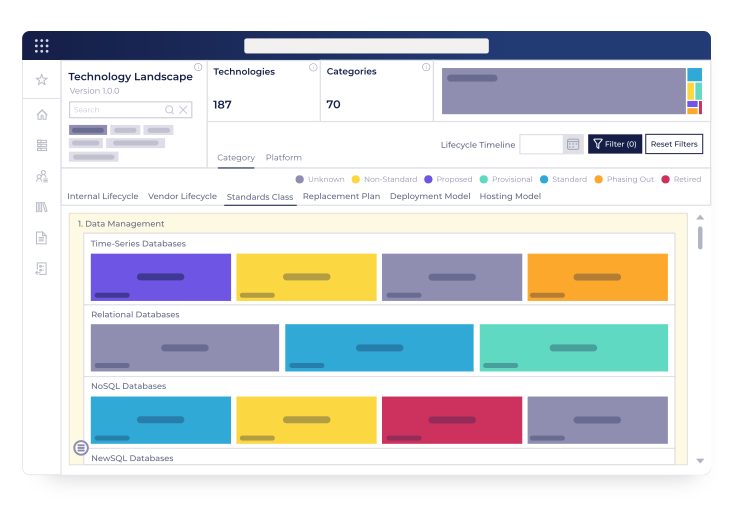
Technology Landscape Inventory
Catalog and classify every technology asset across the enterprise. Maintain a single, authoritative view of platforms, tools, and infrastructure.
- Classify assets by domain, lifecycle status, and ownership.
- Identify duplication and consolidation opportunities.
- Keep the inventory current as the landscape evolves.
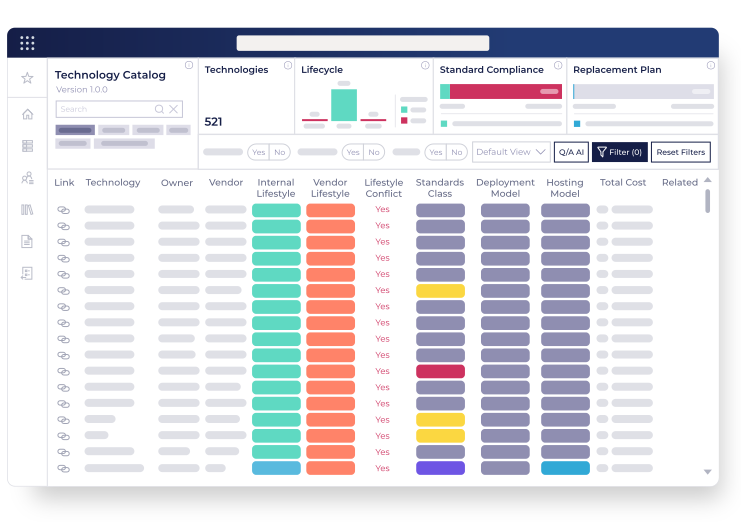
Target Architecture Definition
Define and maintain your target technology state. Establish approved platforms, reference architectures, and technology standards that guide delivery teams.
- Document target platforms and approved technology patterns.
- Align reference architectures to business and domain needs.
- Keep target state visible and accessible across the organization.
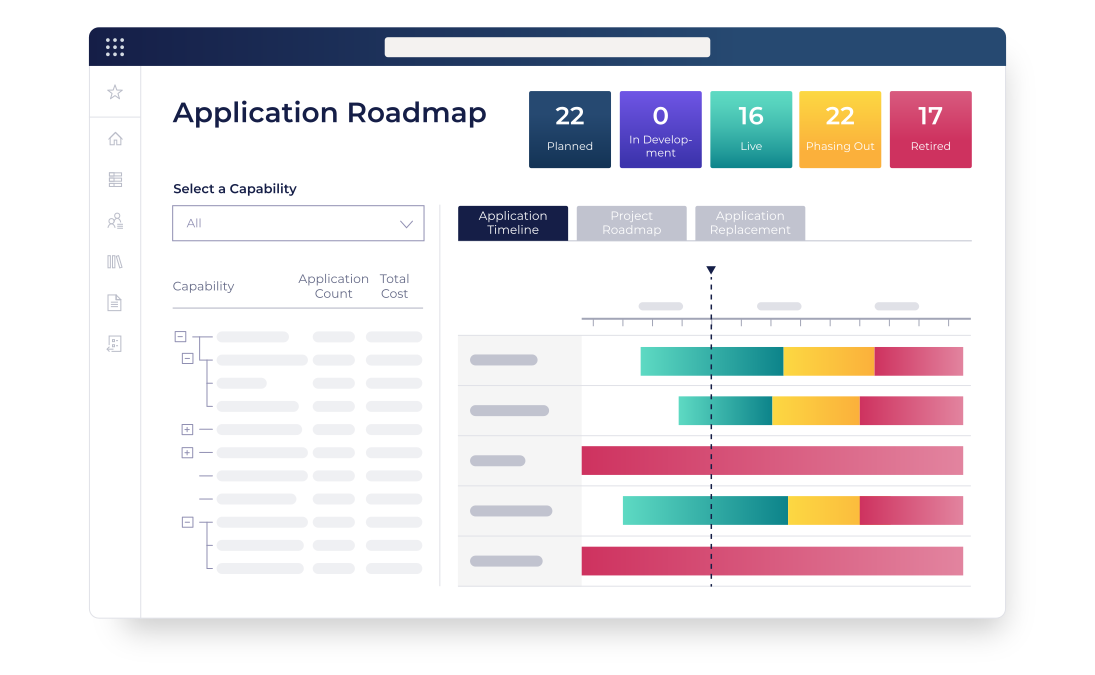
Technology Architecture Roadmapping
Sequence modernization initiatives from current to target state. Visualize transition paths, dependencies, and investment priorities on a connected roadmap.
- Map current-to-target transitions across technology domains
- Sequence initiatives based on lifecycle risk and strategic priority.
- Communicate roadmaps to stakeholders in a clear, structured format.
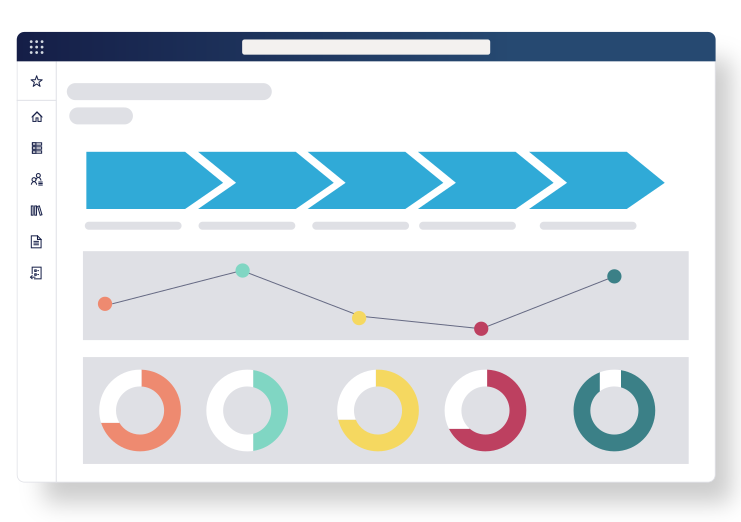
Architecture Governance Workflows
Manage technology decisions, exceptions, and standards adherence. Give architects the controls to govern platform choices without slowing delivery.
- Run structured decision and exception management workflows.
- Track governance outcomes and standards compliance over time.
- Reduce architectural drift with consistent, auditable governance.
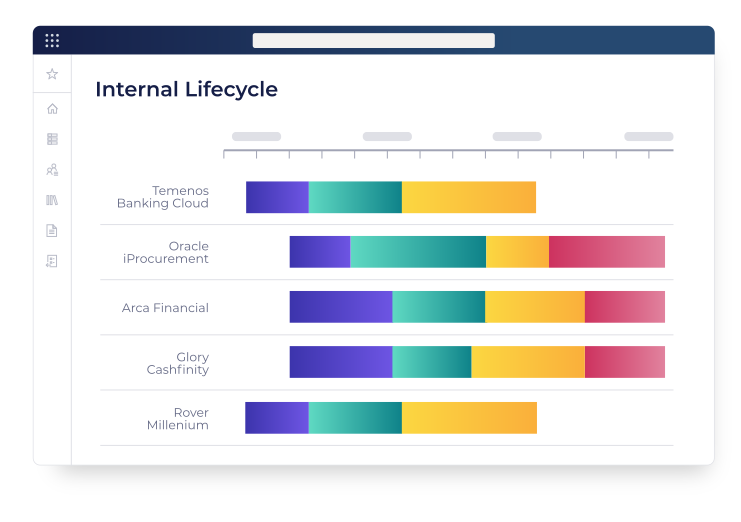
Technology Lifecycle Management
Track the lifecycle status of every technology asset. Proactively identify end-of-life risks, standards breaches, and technology debt before they become incidents.
- Automatically capture product lifecycle data, saving hours of time.
- Manually assign lifecycle stages: current, strategic, tolerated, phased out.
- Proactively surface technologies approaching end-of-life or out of standard.
- Support risk-informed investment and retirement decisions.
Latest Success Stories

Total visibility
Architecture Clarity, Delivered to Every Seat at the Table.
Technology architecture decisions touch every layer of the enterprise. OrbusInfinity gives each stakeholder the views, controls, and evidence they need to act with confidence.

Technology Architect
Technology Architect
Define Standards. Guide Delivery.
Maintain your target technology architecture, enforce platform standards, and give delivery teams clear guardrails. Spend less time resolving exceptions and more time shaping direction.
- Maintain a current, structured technology catalog.
- Save hundreds of hours manually cataloguing lifecycle data.
- Define and publish approved platforms and patterns.
- Track lifecycle status and flag risks early.
- Guide delivery teams with accessible architecture standards.

Chief Information Officer
Chief Information Officer
Manage Risk. Justify Investment.
Get a clear view of technological lifecycle risk across the portfolio. Make defensible investment decisions based on lifecycle status, strategic alignment, and modernization sequencing.
- Identify technologyical debt and end-of-life exposure.
- Prioritize modernization based on risk and strategy.
- Connect technology investment to business outcomes.
- Report on lifecycle health and governance compliance.

CIO / Chief Technology Officer
CIO, Chief Technology Officer
Set Platform Strategy. Scale Governance.
Define a coherent platform architecture that engineering teams can follow. Establish guardrails that scale without creating bottlenecks in delivery.
- Define platform standards and cloud architecture patterns.
- Align technology choices to engineering and product strategy.
- Govern platform decisions without slowing delivery teams.
- Track adherence to approved technology standards.
No More Guesswork
Your Technology Estate. Fully Visible. Fully Governed.
Explore lifecycle views, target architecture blueprints, and governance workflows. Decide if OrbusInfinity fits your technology architecture operating model.
