IT Portfolio Management
Technical Debt Management Across Your Enterprise IT Portfolio
Technical debt accumulates silently. EOL risks compound. Upgrade backlogs grow. OrbusInfinity - a purpose-built debt management platform - enables IT leaders to inventory, classify, and strategically prioritize debt at portfolio scale.
The Hidden Cost of Poor Technical Debt Management
Liabilities in applications, architecture, data, integration, and infrastructure is rarely seen or scored. The result: eroded agility, higher costs, and greater risks. Leaders need a portfolio-wide view to act.
No Portfolio-Wide Debt Visibility
Debt data lives in spreadsheets and team backlogs. Portfolio leaders lack a shared inventory or scoring model, making it impossible to compare or prioritize debt at scale.

Risk Accumulates Unmanaged
End of life (EOL) technologies and upgrade backlogs grow faster than teams can address. Without lifecycle tracking and clear ownership, operational fragility and security exposure increase.

Remediation Lacks Governance
Debt reduction is fragmented and deprioritized against delivery. Without a coordinated roadmap and progress tracking, remediation stalls, rework repeats, and the debt burden grows.

Data that Spurs Action
One Platform. Every Stage of Technical Debt Covered.
OrbusInfinity supports a governed technical debt management strategy: inventory, classification, prioritization, and roadmap planning, all connected to your broader IT portfolio decisions.
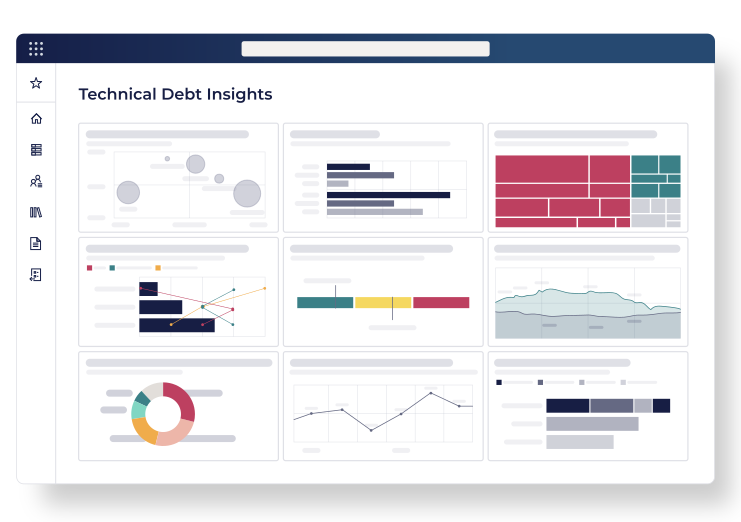
Debt Inventory and Classification
Teams can build a centralized debt inventory across applications and technologies, classified by type: EOL risk, upgrade backlog, standards non-compliance, and architecture debt. Managing technical debt starts with a consistent, portfolio-wide inventory.
- Classify debt by type, domain, and ownership
- Link debt items to applications and technology components
- Establish a shared taxonomy across portfolio and architecture teams
Risk-Based Prioritization
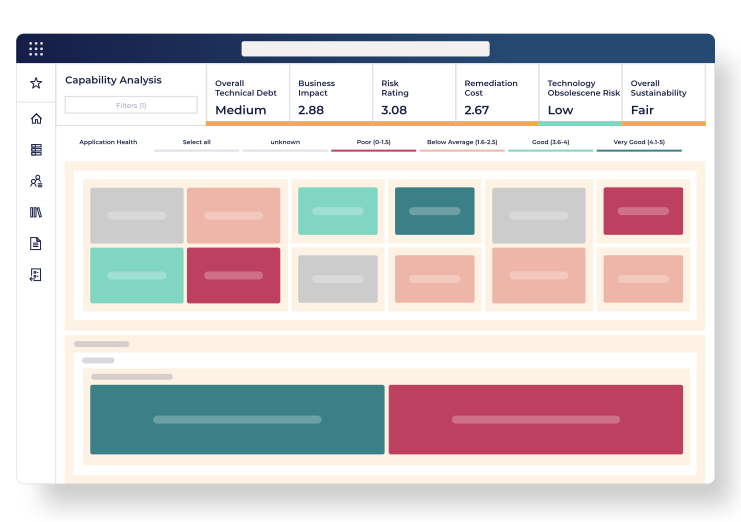
OrbusInfinity enables debt prioritization based on criticality, lifecycle urgency, and standards compliance, so the highest-risk items surface first and funding is defensible.
- Score debt against risk, criticality, and EOL proximity
- Expose upgrade backlog and EOL risk in a portfolio context
- Support investment cases with data-driven prioritization
Portfolio Visibility and Heatmaps
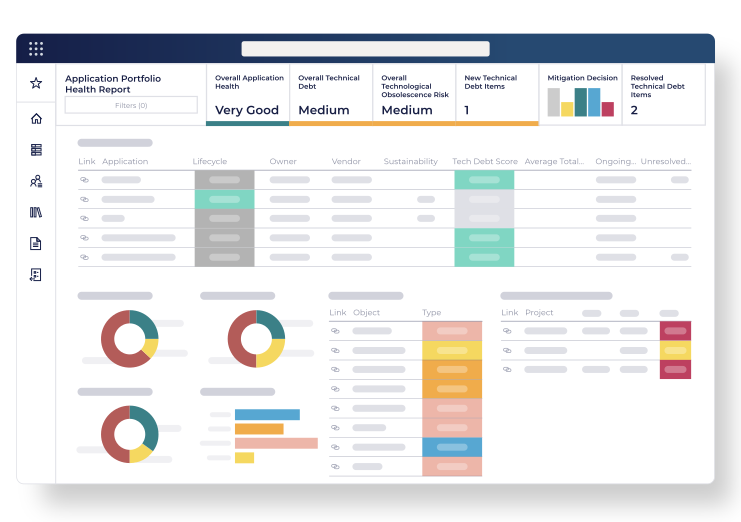
The platform supports portfolio dashboards and technical debt heatmap views showing debt concentration by application, technology domain, or business unit, so leaders see where risk is highest.
- View debt distribution across the portfolio in a single view
- Identify high-concentration risk areas by domain or business unit
- Track debt trends over time to measure progress
Remediation Roadmap and Governance
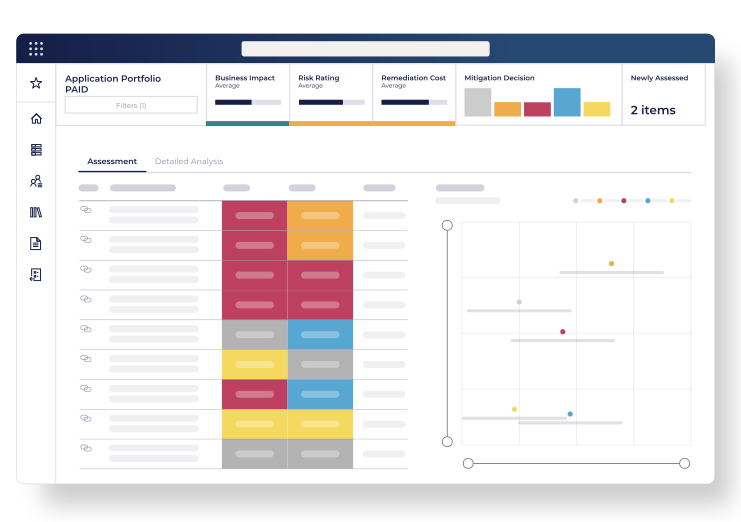
Benefit from a governed roadmap that allows teams to plan and track remediation actions. Assign ownership, measure progress, and connect your technical debt management program to portfolio decisions.
- Plan remediation actions with owners, timelines, and status tracking
- Connect debt reduction to rationalization and lifecycle decisions
- Report progress to executive stakeholders in planning cycles
Latest Success Stories

Built for Your Team
Role-Based Insight Across the Organization
Technical debt is a shared problem with different stakes for each leader. OrbusInfinity gives CIOs, CTOs, and Enterprise Architects the visibility and governance tools they need to act and the confidence that managing technical debt is a discipline, not a firefight.

Chief Information Officer
Chief Information Officer
Govern Debt as a Portfolio Risk
CIOs can track debt exposure across the full portfolio, connect remediation priorities to business risk, and present a defensible investment narrative to the board.
- Portfolio-level debt visibility across applications and technologies
- Risk-based prioritization tied to business criticality and lifecycle
- Governance framework for remediation planning and progress reporting
- Executive-ready reporting on debt exposure and TCO impact

CTO / Chief Enterprise Architect
CTO & CEA
Enforce Standards. Reduce Architecture Debt
CTOs and Enterprise Architects can identify where architecture debt concentrates, prioritize by domain, and connect debt reduction to technology roadmap decisions.
- Classify debt by architecture domain and standards compliance status
- Identify EOL and upgrade backlog exposure by technology component
- Connect debt profiles to rationalization and lifecycle decisions
- Track remediation progress against architecture standards targets

IT Portfolio Manager
IT Portfolio Manager
Track, Prioritize, and Report on Remediation
IT Portfolio Managers can maintain a governed debt inventory, assign ownership, track remediation actions, and report progress, keeping debt reduction visible and accountable.
- Centralized debt inventory with ownership and classification
- Prioritization scoring based on risk, criticality, and EOL urgency
- Remediation roadmap with status tracking and milestone visibility
- Reporting views for planning cycles and stakeholder updates
See It In Action
See Technical Debt Management in a Live Demo
Experience the visibility and insights that OrbusInfinity provides for technical deb management, including: inventory, prioritization heatmap, remediation roadmap, and executive reporting.