IT Portfolio Management
Technology Risk Management
Unmanaged technology risk compounds silently. OrbusInfinity gives enterprise teams a structured framework to score, visualize, and act on risk across the full technology portfolio.
The Risk Is There. The Visibility Is Not
Technology portfolios carry risk that is rarely visible in one place. Assessments are manual, scoring is inconsistent, and remediation stays reactive. Leaders cannot prioritize what they cannot see.
No Portfolio-Wide Risk View
Risk data lives in spreadsheets, ticketing tools, and team silos. No single view shows which applications and technologies carry the highest exposure across the enterprise.

Inconsistent Risk Assessments
Without a shared scoring model, risk ratings vary by team and by quarter. Decisions made on inconsistent data lead to misaligned investment and unresolved exposure.

Obsolescence Goes Untracked
EOL dates are buried in vendor notices and outdated inventories. Without central tracking, unsupported technologies stay in production, quietly increasing security and compliance risk.

Risk. Structured.
Identify, Score, and Prioritize Technology Risk
OrbusInfinity provides the models, views, and workflows enterprise teams need to assess technology risk consistently, track it over time, and connect it to portfolio decisions.
Configurable Risk Scoring Models
Define and apply a consistent technology risk scoring model across your portfolio. Score applications and technologies against criteria that reflect your risk appetite.
- Configure scoring criteria aligned to your risk framework
- Apply scores consistently across applications and technologies
- Track risk scores over time to identify trends
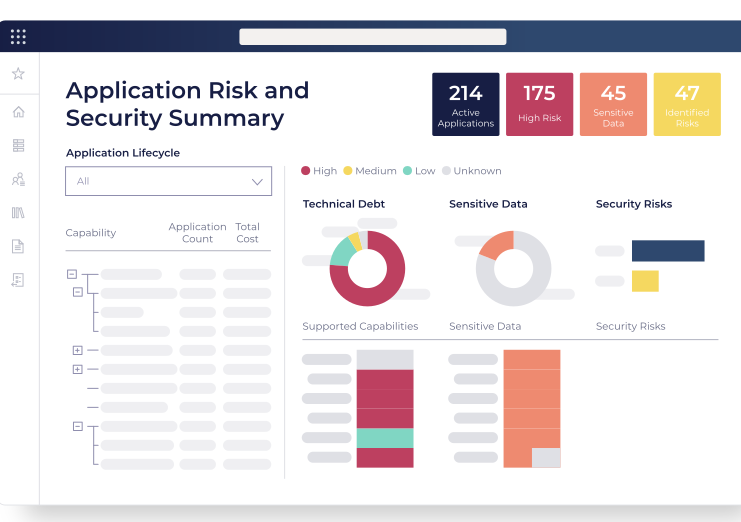
Portfolio Risk Heatmap
Visualize risk concentration across the technology portfolio. The heatmap surfaces high-risk clusters by domain, business unit, or technology type, enabling faster prioritization.
- View risk distribution across the full IT portfolio
- Filter by domain, business unit, or technology category
- Identify high-risk concentrations that need immediate attention
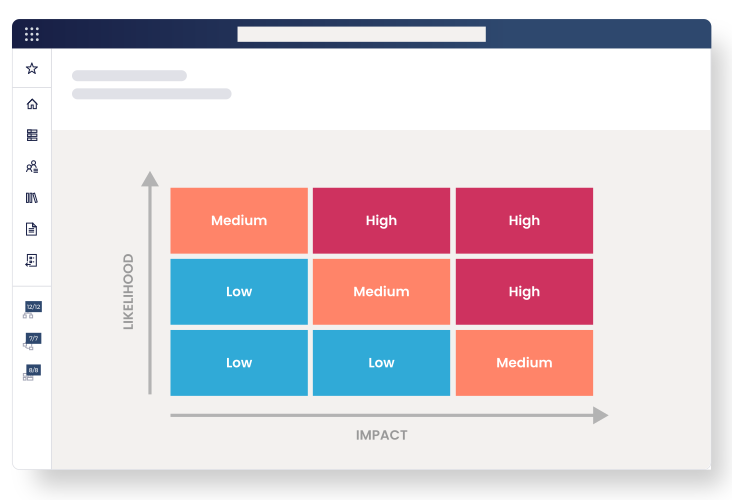
Application Criticality vs. Risk Matrix
Plot the business criticality of applications against their risk score. This matrix helps teams prioritize remediation where risk is highest and business impact is greatest.
- Map each application by criticality and risk score
- Identify high-criticality, high-risk applications requiring action
- Support investment and remediation prioritization decisions
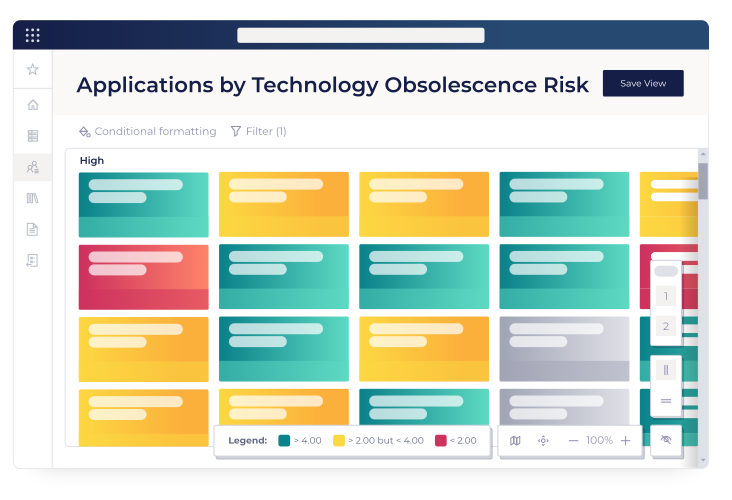
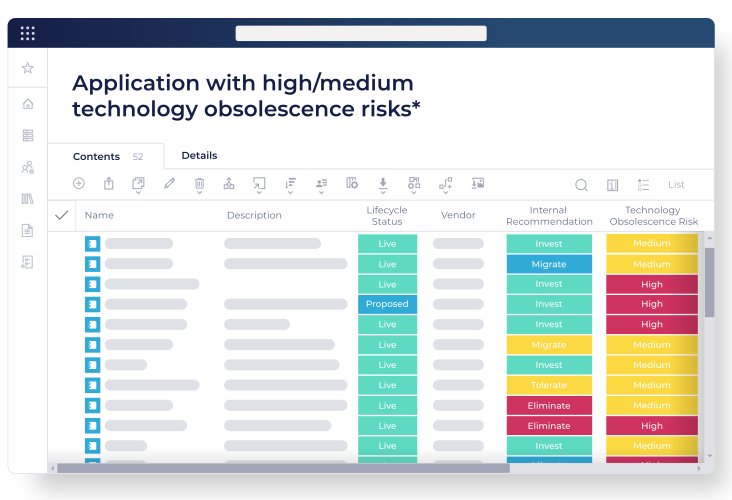
Technology Obsolescence Tracking
Track end-of-life dates, vendor support status, and lifecycle stage across the technology portfolio. Surface obsolescence risk before it becomes an operational or security issue.
- Monitor end-of-life and end-of-support dates across the portfolio
- Flag technologies approaching unsupported status
- Link obsolescence risk to affected applications and services
Latest Success Stories

Clarity. Unlocked.
Risk Intelligence for Every Stakeholder
Technology risk management spans multiple roles. OrbusInfinity delivers the views and insights each leader needs to act with confidence.

Chief Information Officer
Chief Information Officer
Board-Ready Risk Posture
Communicate technology risk posture to the board and executive team with confidence. Replace manual status reports with a live views of portfolio risk.
- Aggregate risk scores across the full technology portfolio
- Track risk posture changes over reporting periods
- Connect technology risk to business continuity priorities
- Support audit and governance reporting requirements

Chief Enterprise Architect
Chief Enterprise Architect
Risk-Informed Architecture Decisions
Embed risk data into architecture reviews and technology decisions. Understand which parts of the portfolio carry structural risk before committing to roadmap investments.
- Assess risk at the application and technology layer
- Identify standards compliance gaps as risk indicators
- Prioritize modernization based on risk and criticality
- Link technical debt exposure to risk scoring

IT Portfolio Manager
IT Portfolio Manager
Prioritize Remediation with Confidence
Move from reactive risk management to structured prioritization. Use consistent scoring and portfolio views to direct remediation effort where it matters most.
- Apply a shared risk scoring model across all portfolio items
- Track remediation progress against risk targets
- Align risk data with investment planning cycles
- Report risk status to stakeholders in a consistent format
Make the Call
See Your Technology Risk in One View
Explore the risk scoring model, portfolio heatmap, and criticality matrix in a live demo. Decide if OrbusInfinity fits your technology risk management framework.